Spine Fractures
Traumatic and pathological spinal fractures — stabilisation and reconstruction.
- Specialty
- Spine
- Urgency
- Often progressive
- Evaluation
- Imaging + examination
- Focus
- Spine
- Dr. Nikhil Bhamare · Reviewed by
- 15+ years · Experience
- Medinova Super Speciality Hospital · Hospital
Overview
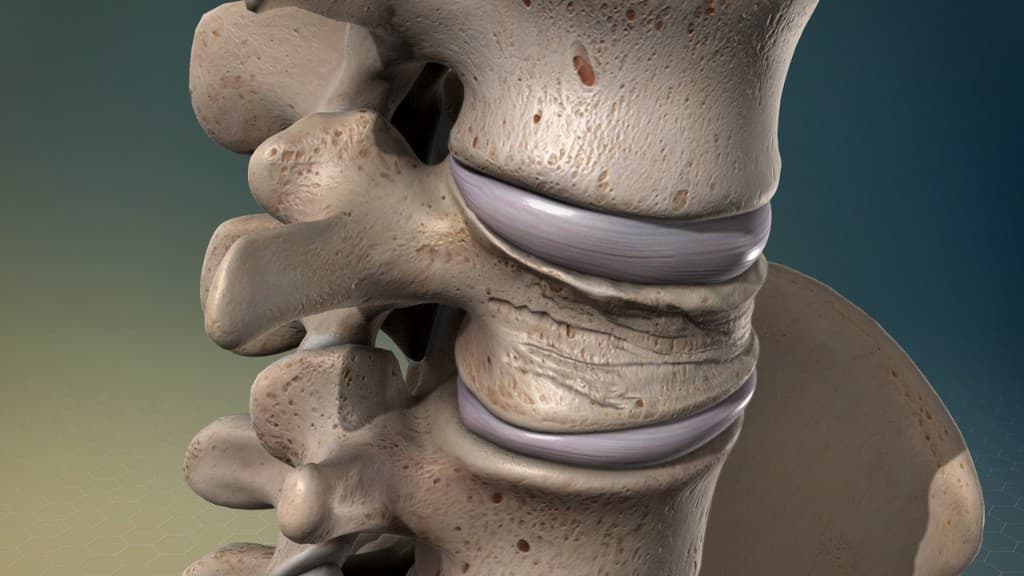
What is Spine Fractures?
Traumatic and pathological spinal fractures — stabilisation and reconstruction.
Early recognition and accurate diagnosis are essential to prevent permanent neurological damage and guide the right treatment pathway — whether medical management, emergency surgery, or intensive care.
Dr. Nikhil Bhamare provides comprehensive evaluation using advanced diagnostic imaging and evidence-based treatment planning at Medinova Super Speciality Hospital, Nashik.
Recognise the signs
Symptoms
Understanding how spine fractures presents helps you seek evaluation before irreversible damage occurs.
Severe back pain
Pain may radiate along nerve roots and worsen with movement or coughing.
Deformity
A clinically significant symptom that should be evaluated by a neurosurgeon.
Neurological deficit
A clinically significant symptom that should be evaluated by a neurosurgeon.
Inability to walk
Difficulty walking or loss of balance may reflect spinal cord or brain involvement.
Clinical pathway
How diagnosis works
A structured evaluation from first symptoms to treatment decision — the standard of care in neurosurgery.
- Step 1
Symptoms
Recognition of sudden or progressive neurological warning signs.
- Step 2
Neurological examination
Focused assessment of strength, sensation, speech, and reflexes.
- Step 3
CT scan
Emergency imaging to detect bleeding, fracture, or mass effect.
- Step 4
MRI
Detailed evaluation when soft-tissue or spinal pathology is suspected.
- Step 5
Diagnosis
Correlation of imaging, examination, and clinical history.
- Step 6
Treatment decision
Medical, surgical, or ICU-based plan tailored to urgency and anatomy.
Causes & risk factors
Treatment options
Evidence-based management
Treatment is tailored to urgency, imaging findings, and neurological status — from emergency intervention to rehabilitation.
CT/MRI
Rapid non-invasive imaging to detect bleeding, swelling, or structural injury.
Bracing
Personalised neurosurgical evaluation and evidence-based management.
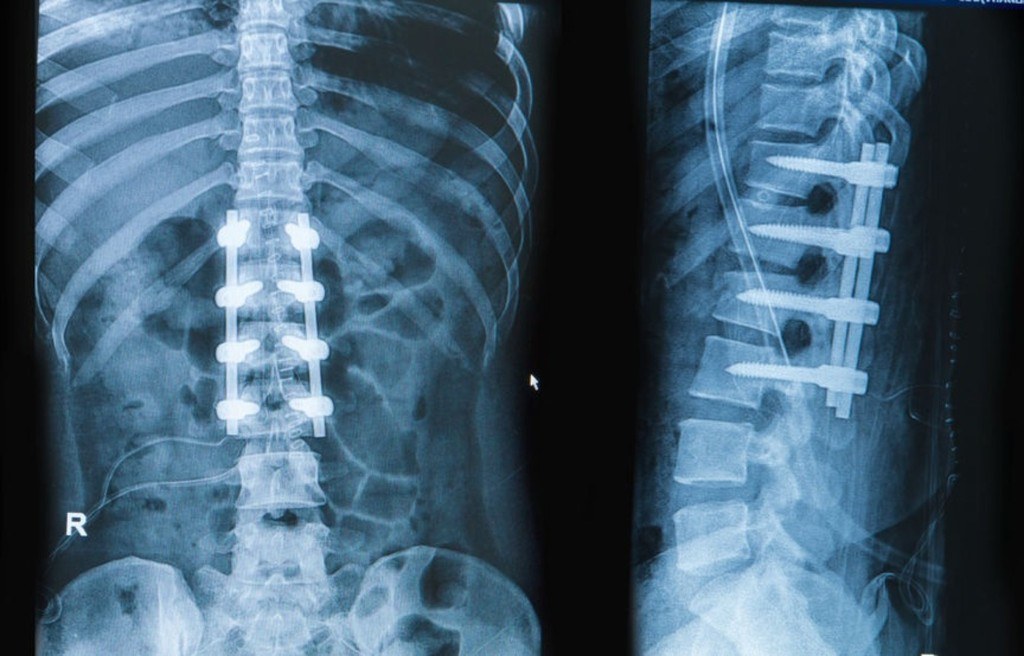
Pedicle screw fixation
Personalised neurosurgical evaluation and evidence-based management.
Decompression if cord threatened
Relief of nerve or spinal cord compression to prevent permanent deficit.
Recovery & rehabilitation
Long-term outcomes depend on early treatment, structured rehabilitation, and specialist follow-up.
- Neurological monitoring during the acute phase
- Physiotherapy and mobility rehabilitation
- Speech or occupational therapy when needed
- Gradual return to daily activities with specialist follow-up
Related procedures
Surgical and interventional options commonly used in the management of spine fractures.
 Procedure
Neuro Trauma Surgery
Emergency surgery for traumatic brain injury, brain hemorrhage, skull fractures, and spinal trauma.
- Recovery
- ICU care
- Duration
- 3 phase pathway
 Procedure
Spinal Fusion & Instrumentation
Spinal fusion, pedicle screw fixation, and instrumentation for instability, fractures, and deformity.
- Recovery
- Recovery
- Duration
- 3 phase pathway
Next step
Concerned about symptoms?
Early diagnosis can prevent permanent neurological damage. Dr. Nikhil Bhamare provides comprehensive evaluation for brain, spine, and nerve conditions using advanced diagnostic imaging and evidence-based treatment planning.
- · Urgent and elective consultations
- · Second opinions with imaging review
- · Emergency neurosurgical pathways at Medinova Super Speciality Hospital

Dr. Nikhil Bhamare
Neurosurgeon & Spine Surgeon
15+ years experience