Brain Hemorrhage
Emergency management of intracranial bleeding and hemorrhagic stroke.
- Type
- Intracranial bleed
- Urgency
- Emergency
- Onset
- Sudden
- Treatment
- ICU + surgery
- Dr. Nikhil Bhamare · Reviewed by
- 15+ years · Experience
- Medinova Super Speciality Hospital · Hospital
Overview
What is Brain Hemorrhage?
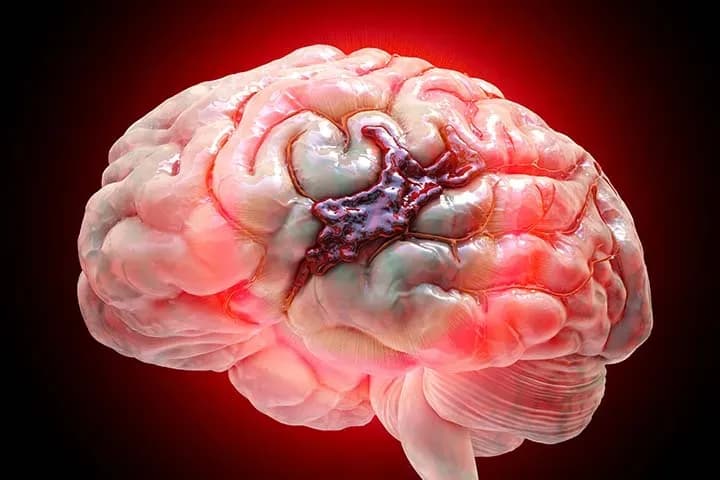
Brain hemorrhage — also called intracranial or cerebral hemorrhage — occurs when a blood vessel ruptures inside the brain or between the brain and skull, causing blood to accumulate and increase pressure on delicate neurological tissue.
It is a neurological emergency. Without rapid diagnosis and treatment, bleeding can lead to coma, permanent disability, or death. Hypertension, trauma, aneurysm rupture, and anticoagulant use are among the most common causes.
At Medinova Super Speciality Hospital, Nashik, Dr. Nikhil Bhamare provides emergency neurosurgical evaluation, CT/MRI imaging, ICU monitoring, and surgical evacuation when indicated — with the goal of preserving brain function and saving lives.
Recognise the signs
Symptoms
Understanding how brain hemorrhage presents helps you seek evaluation before irreversible damage occurs.
Severe headache
Often described as the worst headache of life — sudden and explosive in onset.
Weakness
Sudden weakness affecting one side of the body, face, arm, or leg.
Reduced consciousness
Drowsiness, confusion, or loss of consciousness as pressure inside the skull rises.
Vomiting
Forceful vomiting without nausea, often accompanying severe headache.
Seizures
New-onset seizures may occur when blood irritates the surface of the brain.
Clinical pathway
How diagnosis works
A structured evaluation from first symptoms to treatment decision — the standard of care in neurosurgery.
- Step 1
Symptoms
Sudden headache, weakness, vomiting, or reduced consciousness.
- Step 2
Neurological examination
Assessment of pupils, strength, speech, and level of alertness.
- Step 3
CT scan
Emergency non-contrast CT to detect bleeding within minutes.
- Step 4
MRI / angiography
Further imaging to locate aneurysm, AVM, or underlying cause.
- Step 5
Diagnosis
Classification of hemorrhage type, location, and severity.
- Step 6
Treatment decision
Medical ICU care, blood pressure control, or emergency surgery.
Causes & risk factors
Treatment options
Evidence-based management
Treatment is tailored to urgency, imaging findings, and neurological status — from emergency intervention to rehabilitation.
Emergency Neurosurgical Evaluation
Immediate assessment by a neurosurgeon to determine urgency, neurological status, and need for intervention.
Emergency CT Brain
Rapid imaging to confirm bleeding, measure volume, and detect midline shift or hydrocephalus.
Microsurgical Treatment
Craniotomy and hematoma evacuation when bleeding causes life-threatening pressure or deterioration.
Neuro ICU Care
Continuous monitoring of consciousness, intracranial pressure, blood pressure, and ventilation support.
Recovery & rehabilitation
Long-term outcomes depend on early treatment, structured rehabilitation, and specialist follow-up.
- Neurological monitoring in ICU during the acute phase
- Physiotherapy to restore strength and mobility
- Speech and swallowing therapy when needed
- Blood pressure and medication management long-term
- Regular follow-up imaging and specialist review
Related procedures
Surgical and interventional options commonly used in the management of brain hemorrhage.
 Procedure
Neuro Trauma Surgery
Emergency surgery for traumatic brain injury, brain hemorrhage, skull fractures, and spinal trauma.
- Recovery
- ICU care
- Duration
- 3 phase pathway
 Procedure
Stroke Intervention
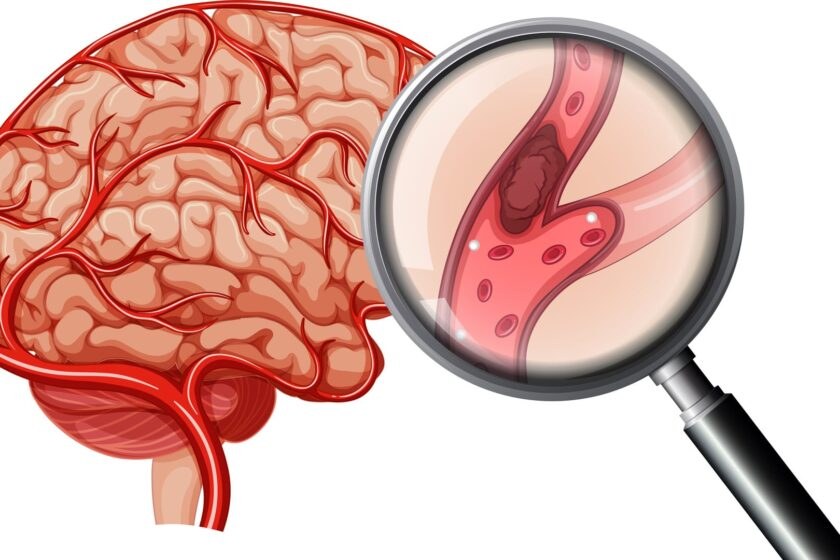
Emergency stroke evaluation, neurovascular consultation, angiography, and thrombectomy pathway coordination.
- Recovery
- Treatment
- Duration
- 3 phase pathway
Next step
Concerned about symptoms?
Early diagnosis can prevent permanent neurological damage. Dr. Nikhil Bhamare provides comprehensive evaluation for brain, spine, and nerve conditions using advanced diagnostic imaging and evidence-based treatment planning.
- · Urgent and elective consultations
- · Second opinions with imaging review
- · Emergency neurosurgical pathways at Medinova Super Speciality Hospital

Dr. Nikhil Bhamare
Neurosurgeon & Spine Surgeon
15+ years experience